Living With Grief During The Holidays
The holiday season is often marketed as a time of joy, togetherness, and celebration, but for many people, it can also be a time when grief feels especially heavy. Whether you’re mourning the loss of a loved one, a relationship, a sense of safety, or even a version of yourself, the contrast between internal pain and external cheer can be disorienting. From a trauma-informed perspective, grief is not just an emotional experience; it’s a complex mind-body process shaped by our histories, nervous systems, and support systems.
Why Grief Intensifies During the Holidays
Holidays often come with rituals, traditions, and expectations. When someone or something important is missing, these familiar moments can act as sharp reminders of loss. Trauma can amplify this response—your nervous system may enter survival mode, making it harder to regulate emotions, stay present, or feel connected to others.
You may notice:
Stronger emotional waves (sadness, anger, guilt, numbness)
Physical symptoms (fatigue, tension, disrupted sleep)
Difficulty feeling joy even when you want to
Heightened anxiety around gatherings or conversations
These reactions are not signs of weakness; they are natural responses to both grief and the impact of trauma on the body.
How Grief Shapes Relationship Dynamics During the Holidays
Grief doesn’t stay neatly contained. It can ripple through your relationships, especially during a season centered on togetherness.
Shifts in Roles and Traditions
When a family member or partner is gone, the structure of the holiday season may feel unstable. People may unconsciously assign new roles or try to preserve old traditions, sometimes leading to tension.
One person might feel responsible for “holding it all together.”
Another may withdraw or avoid gatherings.
Some may want to honor the loss, while others prefer to focus on distraction.
These differences can create misunderstandings unless they’re acknowledged with compassion.
Emotional Mismatches
In trauma-informed care, we recognize that each person’s timeline of grief is unique. You may be grieving intensely while others seem cheerful—or vice versa. Without open communication, these emotional mismatches can create feelings of isolation or resentment.
Heightened Sensitivity and Triggers
Holiday songs, meals, or conversations can serve as triggers. Trauma can make the nervous system more reactive, meaning you might experience irritability, overwhelm, or shutdown in situations that used to feel comfortable. Loved ones may misinterpret these reactions unless there’s a shared understanding of trauma responses.
Trauma-Informed Ways to Care for Yourself
A trauma-informed approach emphasizes safety, choice, and compassion. Consider these supportive practices:
Give Yourself Permission to Feel What You Feel
There is no “right” way to grieve. Allow space for sadness, joy, anger, or numbness. Multiple truths can exist: you can miss someone deeply and still enjoy parts of the holiday season.
Set Boundaries That Protect Your Energy
You have the right to decline invitations, leave early, or ask for quieter environments. Boundaries help your nervous system stay regulated, not overwhelmed.

Create Meaningful Remembrance Rituals
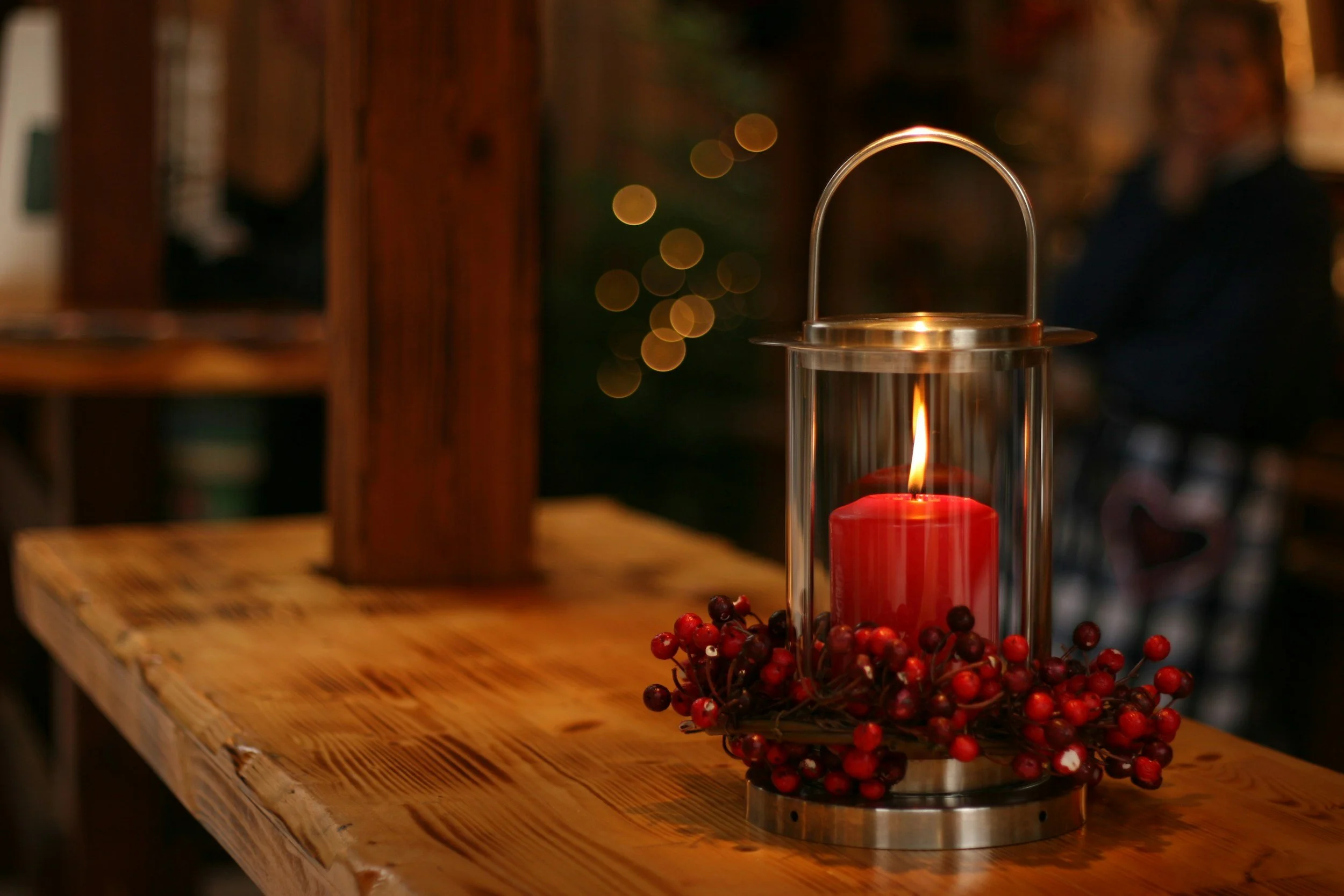
Lighting a candle, sharing stories, cooking a favorite dish, or engaging in a small personal ritual can help honor your grief and create a sense of continuity.
Lean on Regulating Practices
Try grounding and soothing techniques such as:
Deep breathing
Gentle movement
Time in nature
Mindfulness exercises
These help signal to your body that you are safe.
Communicate Your Needs with Loved Ones
You don’t owe everyone an explanation, but sharing with trusted people can help reduce misunderstandings. You might say:
“I may need to take breaks during the gathering.”
“This season is hard for me. I appreciate your patience.”
“I’d like to honor our loved one in a small way this year.”
Letting others know what supports you increases the likelihood of connection rather than conflict.
Supporting Others Who Are Grieving
If someone you love is grieving, approach them with curiosity rather than assumptions. Acknowledge their pain without trying to fix it. Offer choices, not pressure. Sometimes the most healing gift is presence and validation.
You Are Not Alone
Grief during the holidays is a deeply human experience, and navigating it through a trauma-informed lens can help you foster compassion for yourself and others. You don’t have to do it perfectly. You don’t even have to feel festive. The goal is not to “get over” grief but to create moments of safety, support, and gentleness as you move through it.
If this season is painful, please remember: your grief is real, your needs matter, and you deserve compassion—especially from yourself.
If you could use some extra support navigating grief, give us a call at 801-305-3171. Our therapists can help you navigate the heaviness of grief with compassion and understanding.