Celebrating Pride: Showing Up for LGBTQ+ Mental Health
Published by The Healing Group
Every June, rainbow flags appear on storefronts, in city squares, and across social media feeds. Pride Month is a celebration — but it is also a remembrance, a protest, and a profound act of collective courage. For those of us in the mental health field, Pride is deeply personal. We see firsthand the weight that LGBTQ+ individuals carry, and we also witness the extraordinary resilience it takes to live authentically in a world that hasn't always made that easy.
This month, we want to talk about three things: the quiet, breathtaking bravery of embracing a queer identity, why allyship matters more than you might think, and how each of us can show up more fully for the LGBTQ+ people in our lives.
The Courage It Takes
Coming out — to yourself, to others, to the world — is rarely a single moment. It's a series of them, each one requiring something you may not feel you have: courage.
Imagine being a teenager who has kept a secret so close to your chest it has begun to feel like a stone. Or an adult in midlife who spent decades building a life that never quite fit. Or someone navigating a religious community that taught them their identity was something to be ashamed of. Now imagine choosing — despite all of that — to say: This is who I am.
That is not a small thing. Research consistently shows that LGBTQ+ individuals face significantly higher rates of anxiety, depression, and suicidality than their heterosexual and cisgender peers — not because of who they are, but because of the stress of stigma, rejection, and hiding. The act of living openly and authentically is, in that context, an act of profound self-love and resistance.
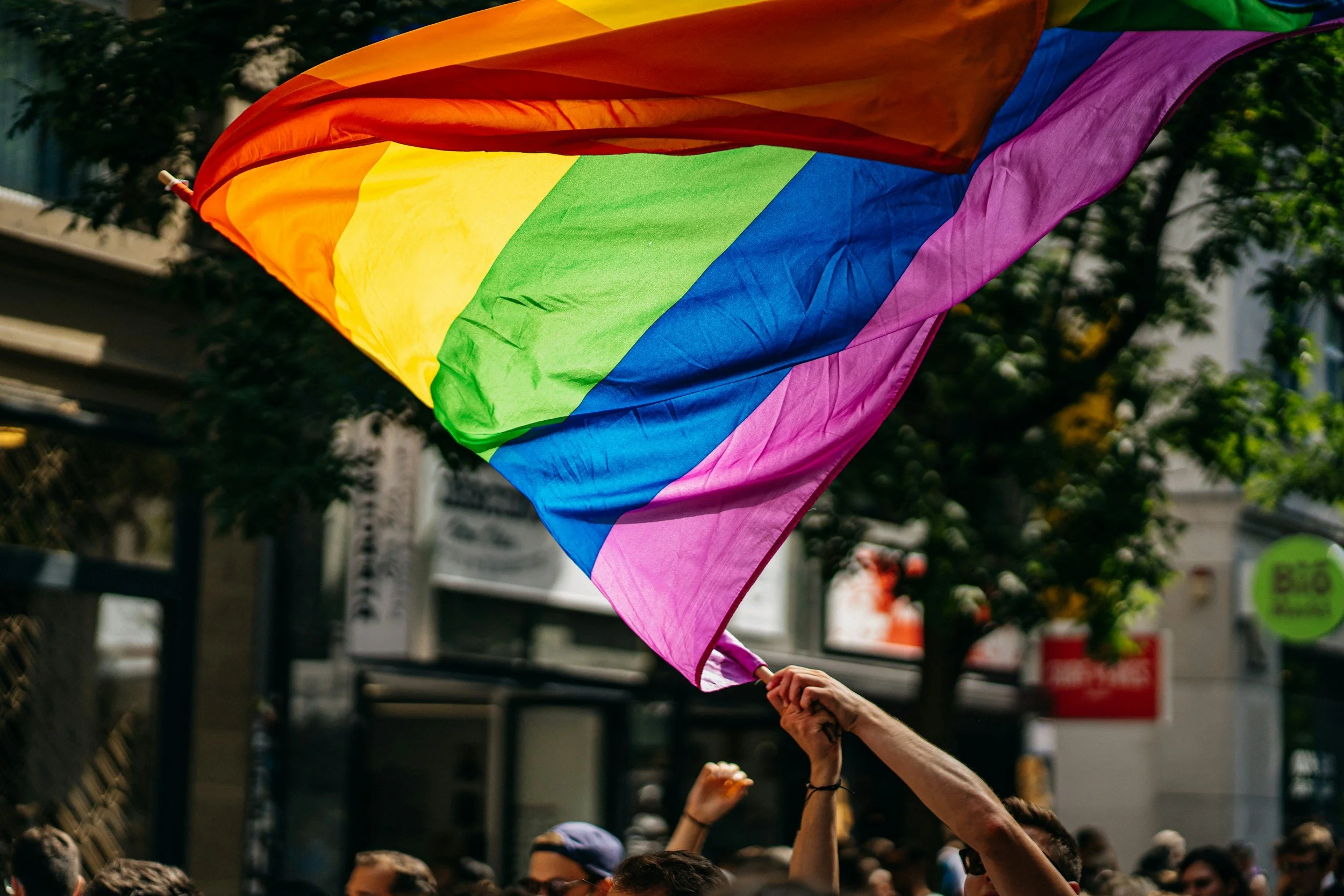
To anyone reading this who is in the middle of that journey — whether you're just beginning to understand yourself, or you've been out for years but still carry the scars of early rejection — we want you to know: your identity is not a burden. It is not a phase. It is not something to fix. You deserve support, community, and care that honors the fullness of who you are.
Why Allyship Matters for Mental Health
Allyship isn't just a political stance. It is a mental health intervention.
Study after study shows that family acceptance is one of the most powerful protective factors for LGBTQ+ youth. Young people who report having at least one accepting adult in their lives are significantly less likely to attempt suicide. That adult doesn't have to be perfect — they just have to show up with love and a genuine willingness to learn.
The same is true for communities, workplaces, schools, and yes — healthcare settings. When LGBTQ+ individuals feel safe and affirmed in the spaces they occupy, they are more likely to seek help when they need it, to be honest with their providers, and to build the kind of social support networks that are fundamental to mental wellness.
Put simply: acceptance saves lives. And everyone — regardless of their own identity — has the capacity to be part of that.
How to Be a Meaningful Ally
Being an ally is less about grand gestures and more about consistent, everyday choices. Here are some ways to begin — or to deepen — your practice of allyship:
1. Listen More Than You Speak
If someone shares their identity or experience with you, resist the urge to immediately respond with opinions, questions, or comparisons. Simply listen. Acknowledge what they've shared. Let them lead.
2. Educate Yourself
Don't put the burden of education entirely on the LGBTQ+ people in your life. Read books, watch documentaries, follow LGBTQ+ voices on social media. Learn what terms like non-binary, gender dysphoria, two-spirit, and asexual mean — not so you can quiz people, but so you can understand their experiences more fully.
3. Use and Respect Chosen Names and Pronouns
This one is simple and profound. Using someone's correct name and pronouns communicates, in the most direct way possible: I see you. I respect you. If you make a mistake, correct yourself briefly and move on — don't make it about your guilt.
4. Speak Up in Uncomfortable Moments

Allyship often requires interrupting — a casual homophobic joke, a dismissive comment, a micro-aggression that everyone else seems to be ignoring. You don't have to be confrontational. A calm "Hey, I don't think that's cool" is often enough. Silence, in these moments, is a vote for the status quo.
5. Advocate for Inclusive Spaces
Whether you're a parent on a school board, a manager in a workplace, or a patient at a medical office — ask about inclusive policies. Does this organization have non-discrimination protections for LGBTQ+ employees and clients? Are intake forms inclusive of gender identity and sexual orientation? Small structural changes signal safety to people who have often had reason to fear.
6. Don't Make It About You
When someone comes out to you, your feelings — surprise, discomfort, confusion — are valid, but they are not the priority in that moment. Process those feelings privately or with another trusted person. The person who has just been vulnerable with you deserves your full, supportive presence.
7. Show Up Year-Round
Pride Month is a wonderful reminder, but allyship doesn't end on July 1st. Attend community events. Donate to LGBTQ+ organizations. Vote for policies that protect queer rights and safety. The most meaningful allyship is the kind that never takes a month off.
A Note From Our Practice
At The Healing Group, we believe that affirming, inclusive mental health care is not a specialty — it is a baseline. Every person who walks through our doors deserves a therapist who respects and honors their identity, without judgment or agenda.
If you are an LGBTQ+ individual seeking a space where you can be fully yourself, we welcome you. If you are a parent, partner, or friend looking for support as you navigate how to show up for someone you love, we're here for that too.
This Pride Month, we celebrate the courage it takes to live authentically. We honor the grief of those who couldn't. And we recommit to being a place where everyone — regardless of who they love or who they are — can find the care they deserve.
Happy Pride. 🌈
If you or someone you know is struggling, please reach out. You can contact The Healing Group at 801-305-3171, or connect with the Trevor Project (for LGBTQ+ youth) at 1-866-488-7386.