What Is Art Therapy? A Guide to How It Works and Who It Can Help
When people hear "art therapy," they often picture something reserved for children, or assume it requires artistic talent. Neither is true. Art therapy is a evidence-informed mental health practice used with people of all ages and skill levels — including plenty of clients who haven't picked up a paintbrush since grade school.
What Art Therapy Actually Is
Art therapy is a form of psychotherapy that uses creative expression — drawing, painting, sculpting, collage, and other visual art-making — as a tool for processing emotions, working through difficult experiences, and building self-awareness. It's facilitated by a trained, credentialed art therapist who blends knowledge of psychological theory with an understanding of the creative process.
The art itself isn't the point. The process of creating it is. Art-making can access thoughts and feelings that are hard to reach through talk alone — especially emotions that feel too big, too vague, or too painful to put into words right away. A therapist might ask you to draw how anxiety feels in your body, build a visual representation of a relationship, or simply create freely and then reflect together on what came up.
No artistic skill is required, and sessions are never about producing something polished or "good." A scribbled, messy page can be just as therapeutically valuable as a detailed drawing.
What to Expect From a Session
Every art therapist works a little differently, but most sessions follow a similar rhythm:
A brief check-in, similar to traditional talk therapy, where you and your therapist discuss how you've been doing.
An art-making prompt or open invitation to create, tailored to what you're working through. This might be structured ("draw your support system as a tree") or open-ended ("create whatever feels right today").
Time to make art, usually 15–30 minutes, using materials like markers, paint, clay, or collage supplies. Your therapist stays present, sometimes creating alongside you, sometimes simply observing.
Reflection and discussion, where you talk through what you noticed — colors you chose, what you left out, feelings that surfaced — and connect it back to your goals.
You won't be asked to interpret your art like a Rorschach test, and your therapist won't assign hidden meanings to your work without your input. The goal is collaborative exploration, not analysis done to you.
Sessions can be one-on-one, with couples or families, or in group settings. Many clients combine art therapy with traditional talk therapy for a more well-rounded approach.
What Art Therapy Can Help With
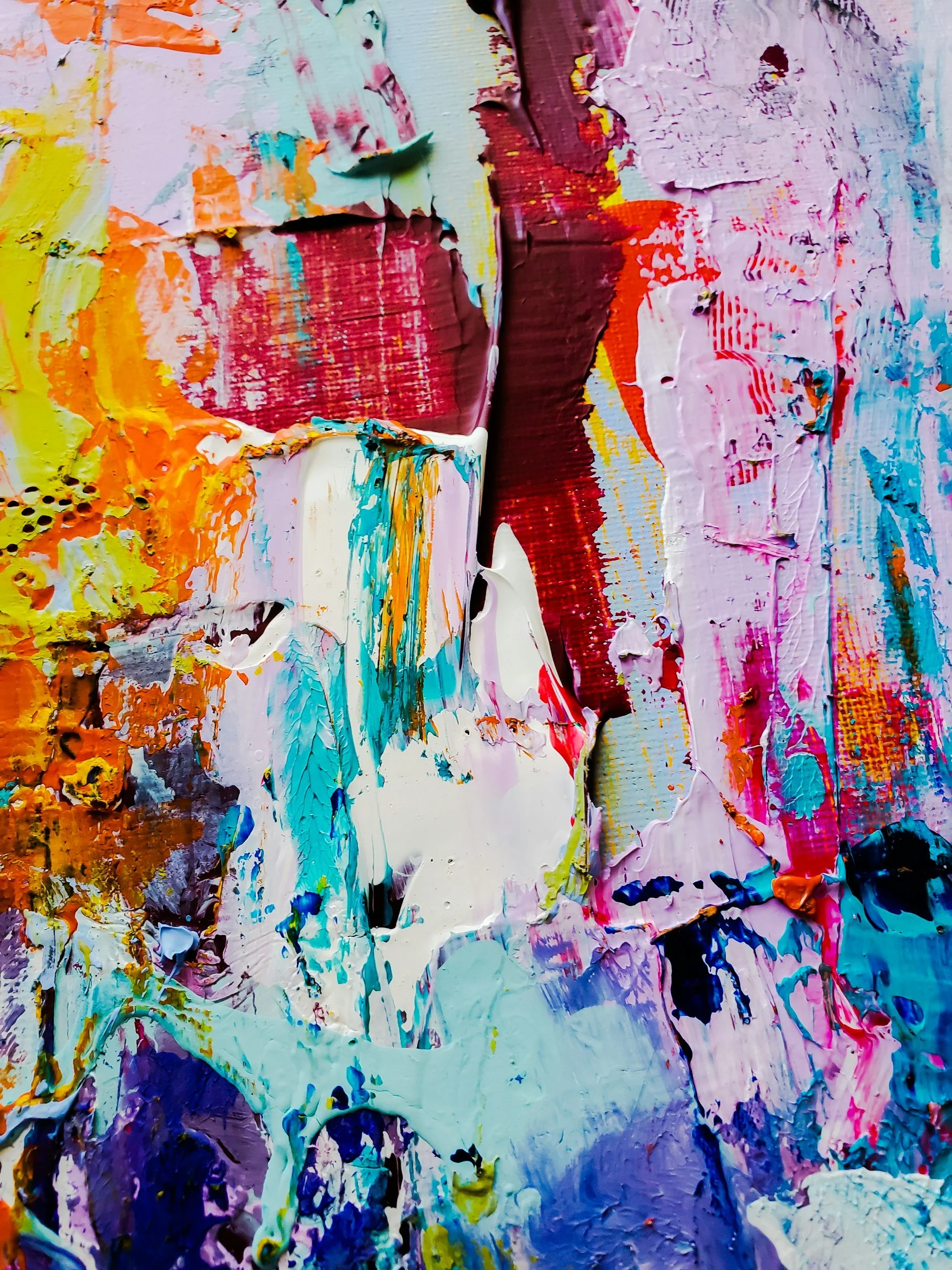
Art therapy is used across a wide range of concerns, including:
Anxiety and stress. The physical act of creating can be grounding and regulating, offering a break from racing or repetitive thoughts.
Trauma and PTSD. Traumatic memories are often stored non-verbally, which can make them difficult to access through conversation alone. Art can provide a gentler entry point.
Depression. Creative expression can help surface feelings of numbness, hopelessness, or low motivation, and offer a low-pressure way to reconnect with a sense of purpose or accomplishment.
Grief and loss. Art therapy is widely used in bereavement support, giving people a way to externalize and process loss that words sometimes can't capture.
Self-esteem and identity concerns. Making something and choosing how to represent yourself visually can be a powerful way to explore self-image and self-worth.
Perfectionism. This is one of the more surprising but effective uses of art therapy. Perfectionism often thrives in areas where there's a "right" answer to chase. Art-making deliberately removes that framework — there's no correct way to paint a feeling. Clients working through perfectionism are often given intentionally imperfect or unpredictable prompts (using watercolor's uncontrollable bleed, working with a time limit, creating with your non-dominant hand) to practice tolerating imperfection in a low-stakes setting. Over time, this can help loosen the grip of all-or-nothing thinking and build comfort with "good enough."
Communication and processing difficulties. For people who find it hard to articulate emotions verbally — including some children, neurodivergent individuals, and people processing trauma — art offers an alternative language.
Relationship and family dynamics. Couples and family art therapy can surface patterns and feelings that might be harder to name directly to one another.
Is Art Therapy Right for You?
Art therapy isn't a replacement for all forms of treatment, and it isn't only for people who consider themselves creative. It's simply another route into the same goals as any therapy: understanding yourself better, processing difficult experiences, and building healthier patterns of thinking and coping.
If the idea of talking through your feelings step by step feels intimidating, exhausting, or just not quite right for you, art therapy may offer a way in that feels more natural. And if you're already in talk therapy, it can be a valuable complement rather than a replacement.
If you're curious whether art therapy could be a good fit for you, reach out to our Client Care Coordinators to schedule a consultation. No artistic experience necessary — just a willingness to explore.
Art Therapy Options at The Healing Group
The Healing Group currently has two art therapists on staff that can provide art therapy at our Midvale office — Mary Attridge, CMHC, ATR-BC, and Michelle Walker, ACMHC, ATR-P.
Additionally, The Healing Group offers an experiential open studio art group for mindfulness, emotional regulation, and creative exploration. Our Mindful Creativity group is held on Tuesday evenings at our Midvale office. Learn more about it HERE.