What’s On Our Bookshelf? “The Grieving Brain: The Surprising Science of How We Learn from Love and Loss” by Mary-Frances O’Connor, PhD
By Ashliegh Baldwin, LCSW
A common theme in therapy is is dealing with grief. For many, grief can feel overwhelming, all-consuming, and disorienting. Some of the common questions I hear are:
Is what I'm feeling normal?
Why do I feel numb instead of sad?
Why am I not crying? Does that mean something's wrong with me?
Why do I feel relief, and does that make me a bad person?
How long is this supposed to last?
Why does it hit me in waves, even months later?
Am I grieving "wrong"?
How do I go back to normal life when everything feels different?
Will I ever feel okay again?
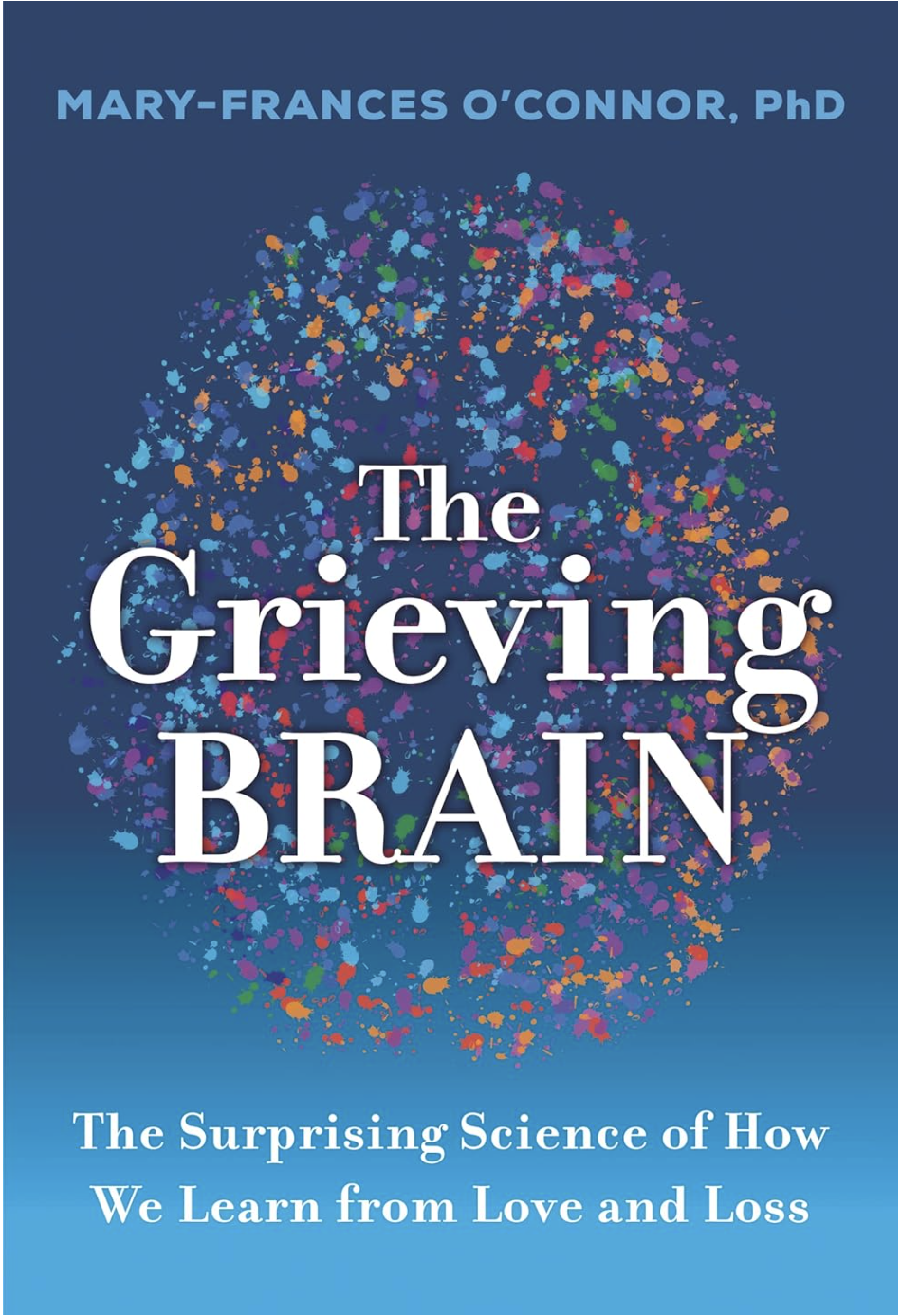
These questions are all valid, and something we explore during individual sessions. To support clients in their journey with grief, I like to recommend the book, The Grieving Brain: The Surprising Science of How We Learn from Love and Loss by Dr. Mary-Frances O’Connor.
The book explains the neuroscientific explanations of grief on the brain from research perform at GLASS (Grief, Loss, and Social Stress Lab) at the University of Arizona. It also provides analogies of why you feel like you are "going crazy," and how the brain interprets attachments to the ones we've lost. It is an interesting read, not about how to support individuals necessarily or reconcile their grief, yet explains why certain symptomology could be happening.
I recommend this book to others to help them understand the science behind grief, to help normalize the experiences grievers have after losing their loved one. I recommend this book to clinicians because it helps normalize the human experience, which is grief, backed up by science.
The Grieving Brain has been very impactful in my life and therapeutic practice. It helped me continue to share with my clients the science behind their connections and understanding the experience of attachment better. It helps us understand what happens to us internally instead of external cues. In my therapy practice, a deeper understanding of grief helps validate my clients that may have felt they didn't connect with some of the practices of reconciliation, and recognizing the importance of giving time to their brain to learn to live without this person to whom they were deeply and neurologicaly attached.
There is no “easy” path through grief. It’s a deepy human experience that we all experience for one reason or another in our life. However, understanding what happens to our brains while grieving can create more self-awareness and self-compassion as we walk that difficult road.